
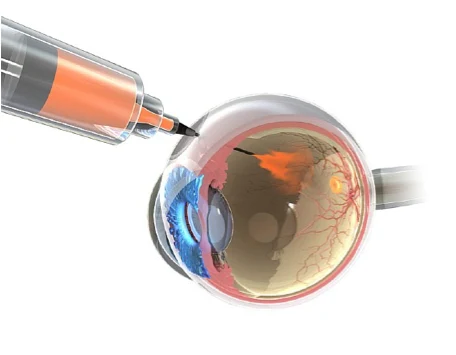
Current Role of Stem Cells in Ophthalmology
Stem-cell approaches are established for certain ocular-surface disorders, while many retinal and optic-nerve applications remain under clinical investigation. The level of evidence differs substantially between conditions.
Cell Types
Limbal stem cells maintain the corneal surface. Mesenchymal stem cells are being studied mainly for their anti-inflammatory and tissue-supporting signals. Retinal cells derived from induced or other stem cells remain an active research field.
Limbal Stem-cell Deficiency
Limbal stem-cell transplantation is the clearest clinical application in this field. In selected patients with severe limbal deficiency, tissue from the healthy eye or a donor may be used to help reconstruct the ocular surface.
Corneal, Retinal and Optic-nerve Research
Regenerative support may be considered in selected non-healing corneal surface disorders. Research continues for macular degeneration, inherited retinal disease, glaucoma and optic-nerve damage, but these are not routine treatments for every patient.
Realistic Expectations and Safety
Stem-cell treatment is not a universal or guaranteed way to restore vision. It should be performed only for a scientific indication, with an approved protocol and an experienced team. Unverified injections and claims of a cure for every disease should be avoided.