
What Does a Comprehensive Eye Examination Include?
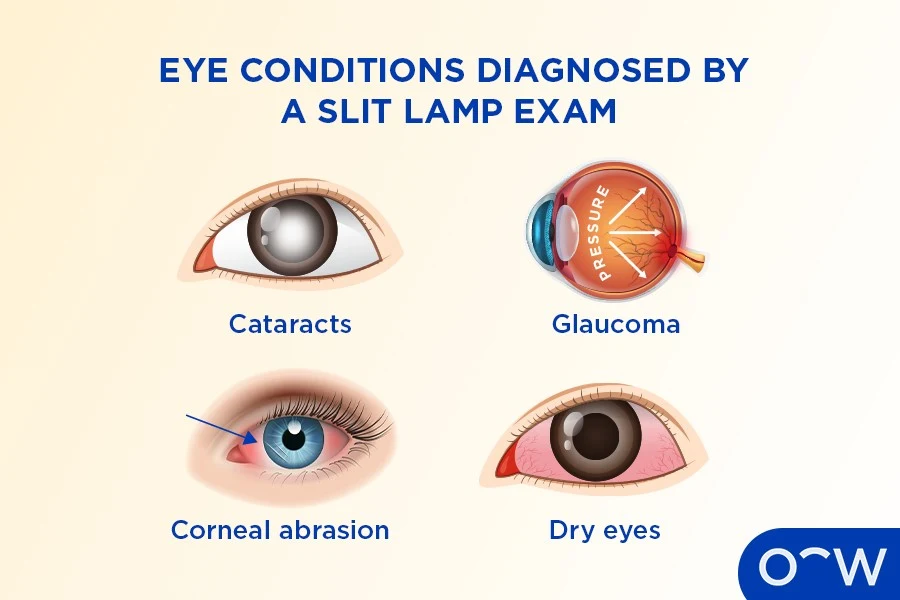
An eye examination is more than measuring a glasses prescription. It can include visual acuity, refraction, intraocular pressure, slit-lamp examination, retinal and optic-nerve assessment, and—when indicated—OCT, visual-field or corneal analysis.
Why Can a Prescription Change?
Changes may relate to age, prolonged near work, ocular-surface problems, cataract development or other factors. A changing prescription should be interpreted together with a full eye examination rather than on its own.
Common Misconceptions
Wearing correctly prescribed glasses does not weaken the eyes. Good vision does not rule out silent eye disease, and eye drops should not be used indefinitely without knowing their purpose.
Using Eye Drops Correctly
Hands should be clean, the bottle tip should not touch the eye and the prescribed dose and duration should be followed. Different drops may need to be separated by several minutes according to medical advice.
Examinations Through Life
Eye-care needs change with age. Children, adults with refractive errors or systemic disease, and older adults may require different tests and follow-up intervals. The schedule is individualized after examination.